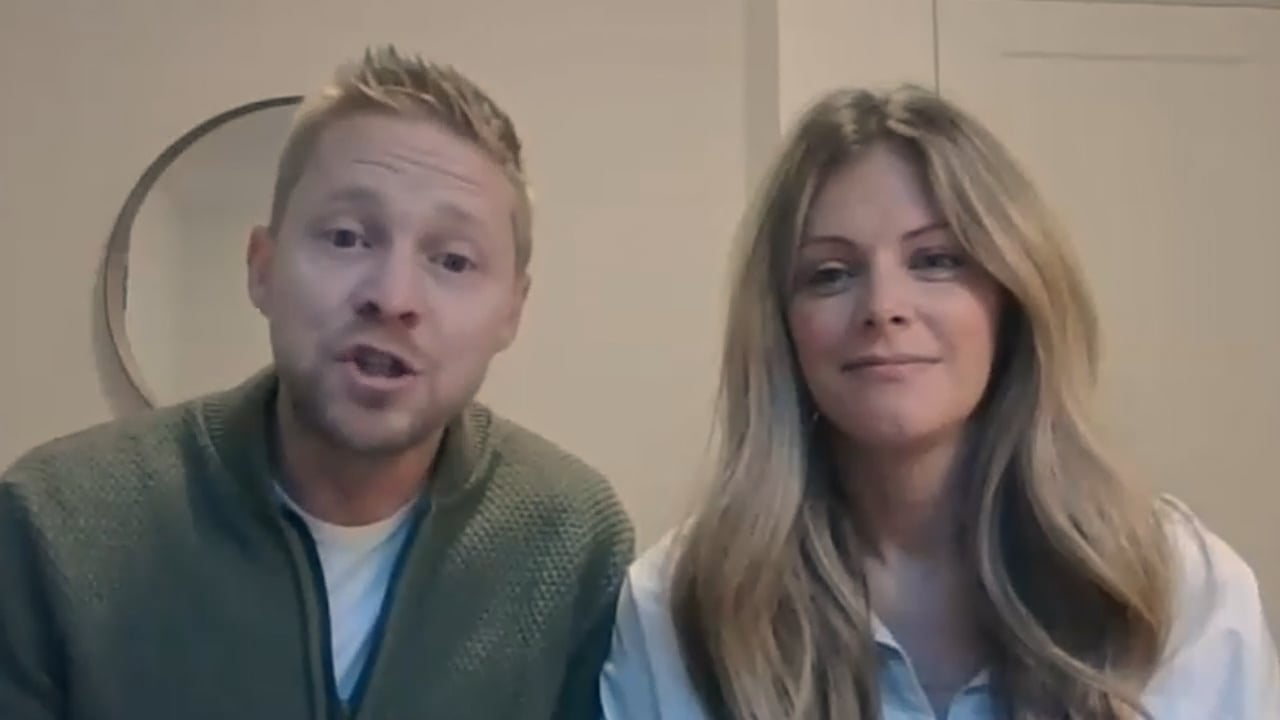
"I've seen lot's of counselors,
but we were stuck.
We now have everything we need to
move forward in our Marriage.
It really benefitted our children and that's been key for me."
Types of Marriage Counseling:
How to Choose the Right Approach for Your Relationship
Many couples begin searching for help not knowing how to choose the right approach for them.
Let's shed some light on the different approaches to marriage counseling and how to choose the right one for your situation.
Different practitioners work from very different ideas about how relationships change. Some focus on emotional bonding. Some teach communication tools. Some explore psychological history. Others focus on behaviour patterns or structured change.
I don’t believe that one approach fits every couple.
I also don't believe you should choose a practitioner simply because they have the largest online presence, the biggest social media budget, or the most media exposure.
The most important factor is whether the approach fits the type of work you want to do.
- Some couples want emotional repair.
- Some want practical tools.
- Some want psychological insight.
- Some want direct and structural change.
This page maps the major approaches used in marriage counseling today so you can make a more informed decision about the kind of help that suits you.
My approach isn’t always the best fit

Anthony Santen
SAC Dip (Adv. Psychotherapy) MCH CI CLC
My work is best described as direct, structured, accountability-based marriage counseling.
The focus is on identifying destructive patterns, confronting what keeps the relationship stuck, and helping each partner take responsibility for how they participate in the system.
That approach works well for couples who want clarity, traction, and a process that moves beyond endless discussion into real behavioural change.
But it is not the right fit for everyone.
- If you are mainly looking for emotional repair and attachment healing, you may prefer one of the emotion-focused approaches such as Emotionally Focused Therapy or PACT.
- If you are mainly looking for communication tools and research-based relationship skills, the Gottman Method and similar educational frameworks may be a better match.
- If you are mainly looking for psychological insight, empathy work, and deeper exploration of personal history, approaches such as Imago Therapy, IFS-informed couples work, or narrative therapy may suit you better.
- And if what you want is structured teaching, coaching, or a retreat-style experience, relationship workshops, coaching programs, or intensives may be the right direction.
The goal of this page is not to convince you that one model is superior to the others.
It is to help you find the kind of relationship work that actually fits your temperament,
your goals, and the kind of change you want to make.
A quick comparison
If you want a fast overview, start here.
My work fits closest to a developmental, accountability-based approach — a style focused on relational maturity, responsibility, and changing the patterns that keep the relationship stuck.
- Emotion-focused approaches are usually best for couples who want emotional repair, safety, and reconnection.
- Skills-based approaches are usually best for couples who want practical tools, structure, and communication help.
- Cognitive and behavioural approaches are usually best for couples who want targeted pattern change and concrete progress.
- Insight-oriented approaches are usually best for couples who want depth, self-understanding, and slower reflective work.
- Developmental and accountability-based approaches are usually best for couples who want direct feedback, responsibility, and maturity-driven change in the relationship.
- Retreats and intensives are usually best for couples who want concentrated work in a shorter time.
- Coaching and education are usually best for motivated couples who want guidance and implementation.
- Mediation is usually best when the main need is agreements, decisions, and conflict management.
Matching the approach to the problem
Different relationship approaches tend to work best for different kinds of problems. Choosing the right type of help often matters more than choosing the most visible practitioner.
-
If the main problem is emotional disconnection
Emotion-focused approaches such as EFT or PACT are often helpful because they focus on rebuilding emotional safety and attachment. -
If the main problem is communication and recurring arguments
Skills-based approaches such as the Gottman Method can help couples learn clearer communication tools and conflict structure. -
If the main problem is repeated behaviour patterns that never change
Behavioural and structured approaches can help couples identify the patterns and deliberately replace them. -
If the main problem is deeper personal wounds or identity issues
Insight-oriented approaches such as Imago, narrative therapy, or parts-based work may be useful. -
If the main goal is rapid momentum
Retreats or intensives can create concentrated progress over several days. -
If the goal is guidance and implementation
Relationship coaching and structured programs can provide direction and accountability. -
If the primary need is decision-making or agreements
Mediation is often the most practical process.
My approach tends to be most useful when the central issue is relational patterns and accountability. The work focuses on identifying the attitudes, assumptions, and behaviours that keep the relationship stuck and helping each partner change how they participate in the system.
Main categories of relationship help
Most modern marriage counseling approaches fall into several broad categories. Understanding these categories can help you choose the style of help that best fits your goals.
1. Emotion-focused and attachment-based therapy
These approaches focus on emotional disconnection, attachment distress, and rebuilding a safer emotional bond between partners.
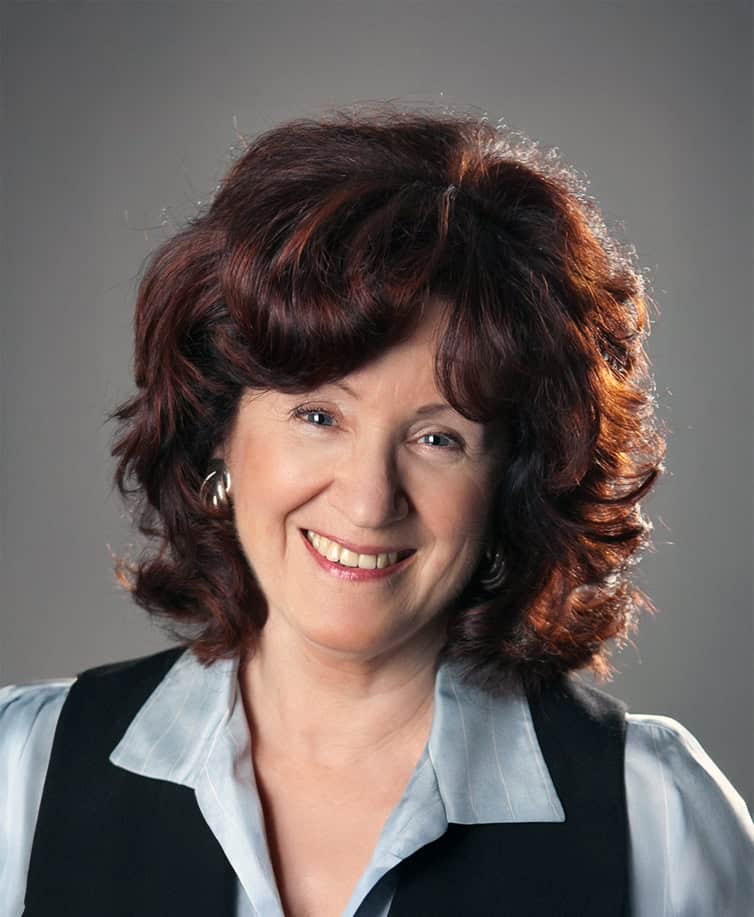
Representative practitioner: Dr. Sue Johnson
- Most well-known examples: EFT / EFCT, PACT, polyvagal-informed relationship therapy
- Typical focus: emotional safety, vulnerability, and attachment bonding
- What to expect: emotionally engaged conversations and exploration of reactive cycles
- Why it is good: strong for emotional disconnection and pursue–withdraw patterns
- Challenges: some couples experience it as slower or highly emotional
- Likely a good fit for: couples seeking emotional repair and reconnection
- Likely not a good fit for: couples mainly wanting blunt accountability or rapid behavioural correction
How my approach differs:
Attachment insight can be useful, but my work tends to focus more directly
on identifying the behavioural patterns and relational structures
that keep the system stuck.
2. Research-based skills and relationship education
These approaches focus on practical tools, communication habits, and strengthening the friendship structure inside the relationship.
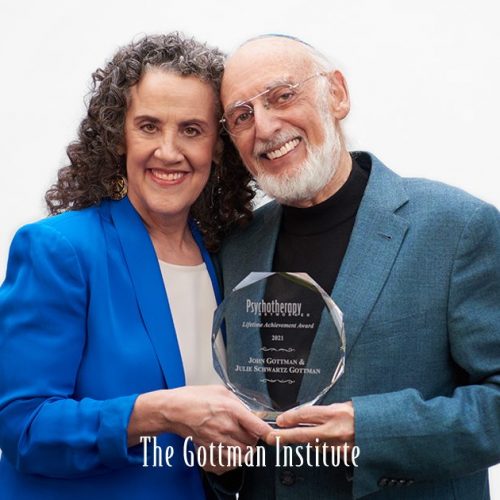
Representative practitioners: John and Julie Gottman
- Most well-known examples: Gottman Method, Love Maps, Rituals of Connection
- Typical focus: communication skills and conflict tools
- What to expect: assessments, exercises, and structured relationship tools
- Why it is good: clear and teachable relationship frameworks
- Challenges: tools alone may not repair deeper relational damage
- Likely a good fit for: couples wanting practical communication skills
- Likely not a good fit for: couples wanting a highly confrontational or deeply analytical process
How my approach differs:
Communication tools can help, but the primary focus of my work is on
the deeper relational system — expectations, behaviours, and patterns
that produce the conflict.
3. Cognitive and behavioural approaches
These approaches focus on changing the thoughts, habits, and behaviours that keep the relationship stuck.

Representative practitioner: Steven Hayes (ACT)
- Most well-known examples: CBT for couples, ACT, IBCT, Solution-Focused Therapy
- Typical focus: behaviour patterns, beliefs, goals, and problem-solving
- What to expect: structured sessions and targeted behavioural change
- Why it is good: useful for couples who want clarity and observable progress
- Challenges: may feel too cognitive if emotional injury is the primary issue
- Likely a good fit for: couples wanting structure and direct progress
- Likely not a good fit for: couples seeking emotionally immersive therapy
How my approach differs:
My work often overlaps with behavioural approaches but tends to place
more emphasis on relational accountability and system-level change
rather than focusing primarily on cognitive patterns.
4. Insight and identity-oriented approaches
These approaches explore deeper relational meaning, personal history, and identity.

Representative practitioners: Harville Hendrix & Helen LaKelly Hunt
- Most well-known examples: Imago Therapy, IFS-informed couples work, Narrative Therapy
- Typical focus: empathy, insight, identity, and relational meaning
- What to expect: reflective dialogue and interpretive exploration
- Why it is good: useful for couples wanting deeper psychological understanding
- Challenges: may feel slow or overly interpretive for some couples
- Likely a good fit for: reflective couples seeking depth
- Likely not a good fit for: couples seeking rapid behavioural change
How my approach differs:
While insight can be valuable, my work typically moves more quickly
toward behavioural change and relational accountability.
5. Developmental and accountability-based approaches
These approaches focus on maturity, responsibility, and the behavioural patterns that shape the relationship system. Rather than primarily exploring emotions or teaching communication tools, they emphasize confronting the attitudes, expectations, and behaviours that keep the relationship stuck.

Representative practitioner: Anthony Santen, SAC Dip(Adv. Psychotherapy)
- Typical focus: accountability, relational patterns, maturity, responsibility
- What to expect: direct feedback, structured conversations, and behavioural intervention
- Why it is good: useful for couples who want traction and concrete change rather than extended exploration
- Challenges: can feel direct or confronting for couples expecting a softer facilitative style
- Likely a good fit for: couples willing to examine their own role in the relationship dynamic
- Likely not a good fit for: couples primarily seeking emotional validation or non-directive support
6. Retreats and intensive programs
These approaches are defined more by format than theory. They compress relationship work into several hours or days.

Representative program: Hope Restored
- Typical focus: concentrated relationship work
- What to expect: immersive workshops and structured exercises
- Why it is good: removes couples from daily distractions
- Challenges: success often depends on follow-through afterward
How my approach differs:
My work focuses more on sustained relational change
within everyday life rather than short immersive interventions.
7. Coaching and relationship education
These approaches focus on implementation, growth, and communication frameworks rather than psychotherapy.

Representative practitioner: Gary Chapman
- Most well-known examples: relationship coaching, courses, communication frameworks
- Typical focus: goals, habits, accountability
- What to expect: guidance and structured exercises
- Why it is good: helpful for motivated couples wanting improvement
- Challenges: coaching quality varies widely
How my approach differs:
While coaching often focuses on advice and skills,
my work tends to address deeper relational dynamics
and behavioural patterns.
8. Mediation and structured conflict resolution
Mediation is not the same as marriage counseling. It focuses on negotiation, agreements, and decision-making.

Representative organizations: family mediators and professional mediation associations
- Typical focus: agreements, negotiation, and decision structure
- What to expect: practical issue-focused conversations
- Why it is good: effective when decisions must be made
- Challenges: does not rebuild emotional intimacy
Where direct, structured counseling fits
My work sits most closely within the category of developmental, accountability-based marriage counseling. The focus is on the maturity and responsibility each partner brings into the relationship and on changing the patterns that keep the relational system stuck.
The work draws on perspectives from biology, neuroscience, evolutionary psychology, and practical behavioural logic to understand how human relationships function and why certain patterns repeat.
The focus is on identifying destructive patterns, confronting what is keeping the relationship stuck, and helping each partner take responsibility for how they participate in the system.
- Typical focus: patterns, accountability, relational structure
- What to expect: direct conversations and active intervention
- Likely a good fit for: couples ready for change and willing to be challenged
- Likely not a good fit for: couples seeking a softer facilitative process